
Parakeet Molting: Everything You Need to Know to Keep Your Bird Comfortable
A few feathers drift to the bottom of the cage, and suddenly your bright, chatty bird looks a little scruffy. That moment often marks the start of parakeet molting, a normal and necessary process where old feathers shed and new ones grow in. Molting can change your bird’s appearance, energy level, and even mood, which can surprise many owners. While parakeet molting is a healthy biological cycle, it can also make birds feel sensitive and slightly out of sorts. With the right knowledge and support from your care team, you can help your bird move through this stage with confidence.
What Is Parakeet Molting and Why Does It Happen?
Parakeet molting is the natural process of feather replacement that occurs throughout a bird’s life. Feathers wear down over time from daily activity, preening, and normal environmental exposure. As older feathers loosen and fall out, new “pin feathers” develop from follicles in the skin. This cycle supports flight, insulation, waterproofing, and overall feather health. Without regular molting, feathers would become damaged and less effective at protecting the body.
Most parakeets go through several molts each year, though one or two heavier molts often stand out. During a heavier molt, feather loss may appear more noticeable around the head, chest, and wings. You may see small, quill-like feathers that look spiky as they grow in. These developing feathers contain a blood supply early on, which explains why they appear darker and feel sensitive. Parakeet molting follows internal hormonal cues, daylight changes, and seasonal patterns rather than a set calendar date.
How Long Does Parakeet Molting Last?
The length of parakeet molting varies depending on the bird’s age, health, and environment. A typical molt can last several weeks, while heavier molts may stretch over a couple of months. Feather loss does not usually happen all at once. Instead, birds lose feathers gradually to maintain the ability to fly and regulate body temperature. You may notice cycles where shedding increases for a short period and then slows again.
Young birds often experience their first significant molt between three and four months of age. Adult birds continue molting regularly throughout life. If feather loss seems sudden, patchy, or extreme, your veterinarian should evaluate your bird. Normal parakeet molting produces an even, symmetrical pattern of feather replacement. Uneven bald spots or irritated skin can signal a different issue that needs medical assessment. Tracking changes in appearance and behavior during a molt helps your veterinary team understand what your bird is experiencing.
Common Signs of Parakeet Molting
Many bird owners first notice parakeet molting when feathers collect in the cage. Physical and behavioral changes can occur at the same time. Recognizing these signs allows you to separate normal molting from potential health concerns.
Physical Changes
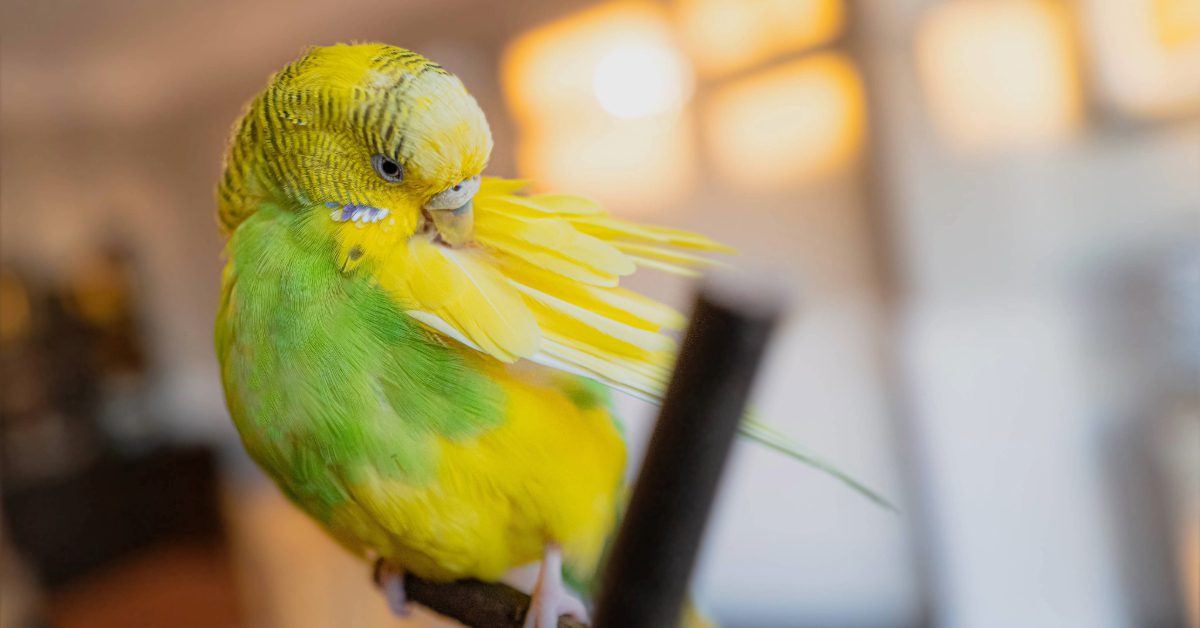
New feathers often appear as small, pointed quills, especially around the head and neck. Birds may look fluffier or slightly uneven in feather coverage during this stage. The skin can appear a bit pinker in areas where feathers are growing in. Increased preening is common as birds groom and help remove old feather sheaths. A mild increase in feather dust may also appear in the environment.
Behavioral Changes
Some birds act quieter or more reserved during parakeet molting. Feather growth can feel uncomfortable, which may make birds less interested in handling. You might notice increased sleeping or reduced activity for short periods. Appetite may fluctuate slightly, though birds should continue eating regularly. A normally social parakeet might prefer more space while new feathers develop. These temporary shifts often improve as the molt progresses.
Is Parakeet Molting Painful or Stressful?
Molting itself is not an illness, but it can feel physically demanding. Growing feathers require nutrients and energy, which can make birds appear tired. New pin feathers are sensitive because of their blood supply, so touch may feel uncomfortable in certain areas. This sensitivity explains why some birds seem irritable during parakeet molting.
Stress can also play a role. Environmental changes, noise, or disruptions may intensify discomfort. A stable routine and calm setting help reduce additional strain during this time. Your veterinary team can evaluate birds that seem unusually lethargic, stop eating, or show signs of illness. While mild behavioral changes are common, dramatic shifts deserve professional attention. Observing patterns over time gives important clues about your bird’s health.
When Feather Loss Is Not Just Molting
Not all feather loss equals parakeet molting. Several medical and behavioral issues can mimic or overlap with a molt. Early veterinary evaluation makes a difference in identifying the cause.
Possible Medical Concerns
Feather loss linked to parasites, infections, or nutritional imbalances may look irregular or excessive. Skin redness, sores, or crusting suggest irritation beyond normal molting. Feather growth that seems delayed or abnormal also deserves attention. Birds with underlying disease may show weight loss, breathing changes, or reduced appetite along with feather issues.
Behavioral Feather Damage
Stress, boredom, or environmental factors can contribute to feather plucking. This behavior often targets specific areas and does not follow a symmetrical molting pattern. Your veterinarian can help determine whether the cause is medical, behavioral, or a combination of factors. Identifying the reason behind abnormal feather loss supports better long-term health.
Nutrition and Feather Growth
Feather production requires balanced nutrition, especially adequate protein, vitamins, and minerals. During parakeet molting, birds rely on these nutrients to form strong new feathers. Your veterinarian can assess diet quality and recommend adjustments if needed. Poor nutrition may lead to dull feathers, slow regrowth, or fragile quills.
Pelleted diets designed for small parrots often provide consistent nutrient levels. Fresh vegetables can contribute additional vitamins when offered appropriately. Hydration also supports overall health during feather replacement. Because nutritional needs vary, your veterinary team should guide any diet discussions. Professional input ensures changes support feather growth without causing imbalances.
Supporting Comfort During a Molt
While parakeet molting is natural, birds benefit from thoughtful environmental management. Gentle handling, when tolerated, helps maintain trust without adding stress. Many birds appreciate consistent lighting cycles that mimic natural daylight patterns. Clean air and proper humidity can also make a difference in comfort. Cage hygiene becomes especially important as feathers and dust increase. A tidy environment supports skin health and reduces irritants. Regular observation allows you to notice changes in behavior or appetite early. Your veterinary team can provide guidance tailored to your bird’s needs and living conditions. Small adjustments in care routines can make this period easier for your feathered companion.
How Your Veterinarian Helps During Parakeet Molting
A veterinary visit offers reassurance when you have questions about feather changes. A thorough exam helps confirm whether signs align with normal parakeet molting. Veterinarians assess feather quality, skin condition, weight, and overall health. They can identify subtle issues that may not be visible at home. Diagnostic testing may be recommended if feather loss appears abnormal.
Your care team can also discuss diet, environmental factors, and behavioral observations. Early evaluation prevents small concerns from becoming larger problems. Birds often hide illness, so professional assessment remains important even when changes seem mild. Building a relationship with an experienced avian veterinary team supports your bird through every life stage.
Your Bird’s Feather Health Matters Year-Round
Feathers do far more than make a parakeet look colorful and sleek. They regulate temperature, enable flight, and protect delicate skin. Monitoring parakeet molting patterns helps you understand what is typical for your individual bird. Over time, you will notice how often molts occur and how your bird behaves during them. If you have questions about feather loss, behavior changes, or general bird health, contact Animal Care Center of Pasco County in New Port Richey. Our veterinary team can evaluate your parakeet and discuss any concerns you have about molting or overall wellness. Call (727) 376-7601 to speak with our team or schedule an appointment. Professional guidance keeps you informed and helps your bird stay comfortable through every molt.
Recent Posts
About Us
Small description of the practice goes here - maybe pull from the About Us page?